About Fanlytiq

We built Fanlytiq because creators deserve data, not dashboards.

Every creator analytics tool we saw was built to show you more of the same: views, reach, follower growth. Useful — but not the question that matters when your income depends on what you create next. The question that matters is: of the thousands of people in your audience, which 300 are responsible for most of what you earn? Fanlytiq answers that.

Modern creative workspace in Los Angeles with data visualization screens and a creator-economy analytics aesthetic

Our Mission

Creator analytics is broken in one specific way. That's the only part we're fixing.

We're not building another social media dashboard. YouTube Studio, Instagram Insights, Spotify for Podcasters — those tools are good at what they do. They tell you how a piece of content performed within their own ecosystem. We don't replicate that.

What they can't do is show you the same 400 people who watched your YouTube video, opened your newsletter, and upgraded their Patreon tier in the same 30-day window. They're platform-siloed by design. The identity resolution problem — finding the same person across multiple platforms and understanding their revenue impact — is exactly what we solve.

Fanlytiq was built on a single observation: your top 3% of fans generate 60% of your revenue, and they deserve to be known — not as aggregate statistics, but by platform, by content preference, by what makes them stay and pay.

We started in Los Angeles in late 2023, building cross-platform integrations for 8 networks and a segmentation model trained on real creator monetization patterns. Today we work with 3,200+ creators managing between 100,000 and 2 million followers. We're bootstrapped, profitable, and not trying to be something else.

Team

Four people. One focus.

We're deliberately small. Every feature we've shipped started as a specific creator complaint. Every feature we haven't shipped is something we decided not to build so we could go deeper on what we already have.

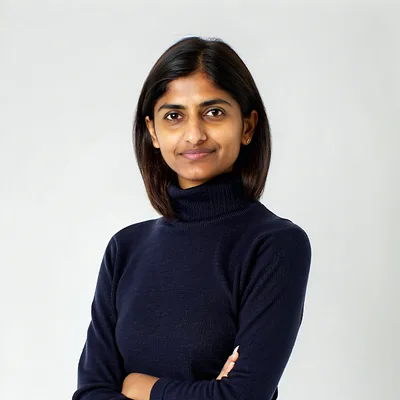
Priya Nambiar, CEO and Co-Founder of Fanlytiq

Priya Nambiar

CEO & Co-Founder

Priya spent five years building audience intelligence products at a media analytics company serving mid-sized publishers. She watched platform analytics become more sophisticated while the underlying monetization problem — who are your most valuable audience members and how do you reach them — went unsolved. She left in 2023 to fix it for creators.

Jordan Calloway, CTO and Co-Founder of Fanlytiq

Jordan Calloway

CTO & Co-Founder

Jordan spent four years building high-throughput data pipelines for a digital advertising platform — ingesting event streams from hundreds of sources and resolving cross-platform identity at scale. At Fanlytiq, he built the ingestion engine that processes fan engagement data across 8 platforms and resolves identities across them in near real-time.

Senna Park, Head of Product at Fanlytiq

Senna Park

Head of Product

Senna was a product manager at a creator monetization startup, where she ran the feedback program and regularly talked to 30–40 creators per month. She joined Fanlytiq mid-2024 to rebuild the dashboard around what creators actually need to see — not what analytics tools traditionally show. She owns the direct feedback loop: if you message us with a feature request, it goes to Senna first.

Tomás Vega, Head of Growth at Fanlytiq

Tomás Vega

Head of Growth

Tomás built a YouTube personal finance channel to 400K subscribers before stepping back from full-time content creation to work in growth at two creator economy startups. He understands both sides of the product: what it feels like to not know which content is actually earning money, and how to talk about that problem in a way that resonates with creators who are living it.

Our Story

How we got here

2023

Founded in Los Angeles

Priya and Jordan quit their jobs, moved into a shared office in Silver Lake, and started building the first version of Fanlytiq's segmentation model. The original product connected to three platforms and took six weeks to produce its first segment report.

2024 Q1

Private beta with 40 creators

We invited 40 creators from our personal networks to test the product. Feedback was split: analytics people loved it immediately; others needed to see the segment pay off first. That tension shaped everything about how we built the product from that point on.

2024 Q3

First 1,000 creators

Word of mouth from the beta accelerated faster than we expected. We hit 1,000 creators on the platform without any paid advertising. Senna joined as Head of Product and rebuilt the dashboard from scratch based on what creators actually needed to see.

2025 Q1

Public launch + sponsorship intelligence

We launched publicly with the full four-pillar product: audience segmentation, revenue attribution, sponsorship intelligence, and content timing. Tomás joined to lead growth. The sponsorship rate calculator became our most talked-about feature within 60 days.

2026

3,200+ creators and growing

Today Fanlytiq supports 3,200+ creators managing their monetization across 8 connected platforms. We remain bootstrapped, profitable, and focused on building the best audience intelligence product in the creator economy — nothing else.

What We Believe

Three values that shape every product decision

Every metric has an action attached

We cut any stat that doesn't help a creator make a specific decision. You won't find "total impressions" or "reach rate" in Fanlytiq — not because those numbers aren't real, but because they don't tell you what to do next. We build toward decisions, not reports.

Your audience data is not our product

Fanlytiq's business model is subscriptions. We don't sell, license, or aggregate your audience data to third parties — ever. Individual fan identities are never exposed in shareable reports or sponsor briefs. We process your data to surface insights for you, not to monetize it separately.

Ship weekly, talk to creators monthly

We push product updates every week. Senna runs creator calls every month and keeps a running feature log of every conversation. The roadmap is built directly from that list — not from our guesses about what creators need.

We're hiring

We're looking for engineers and product people who want to build serious analytics infrastructure for the creator economy. Small team, real product, direct creator feedback loop from day one.

Get in touch